
Cottage Cheese (Small Curd)

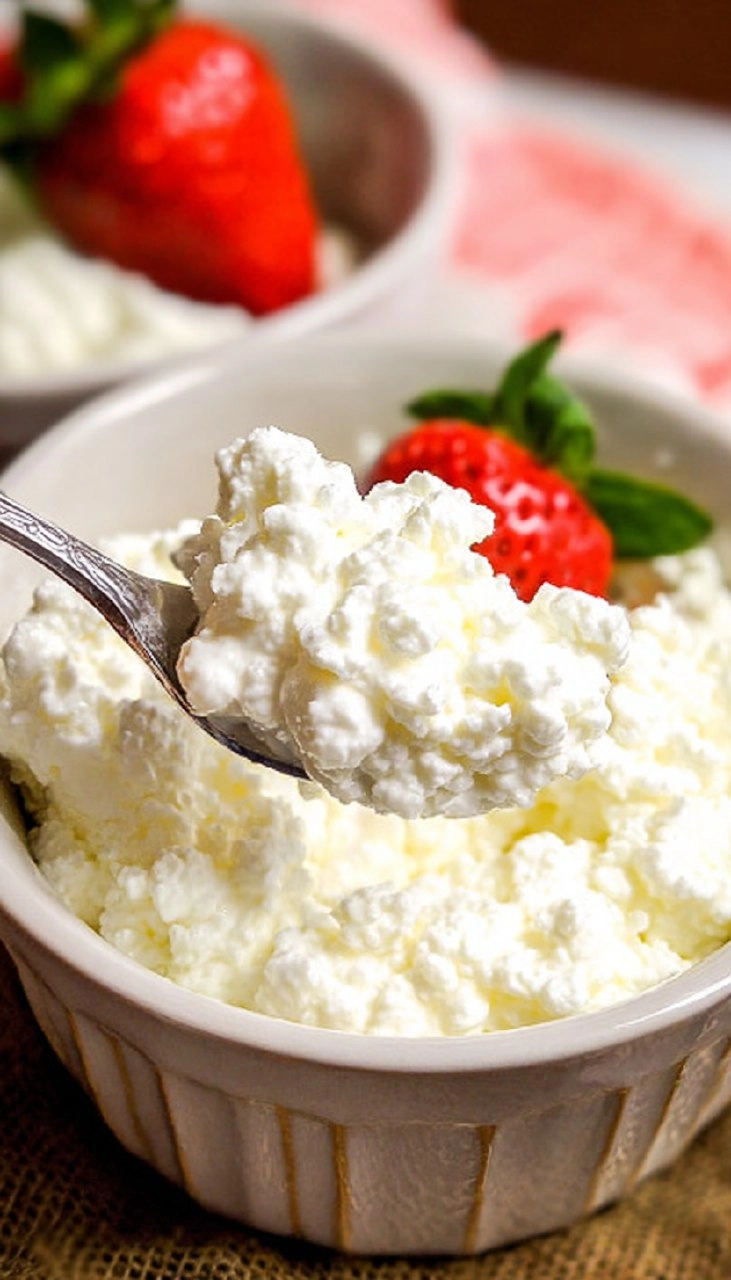
Homemade cottage cheese carries an unmistakable charm. Its creamy, small curd texture is not just a delight to the palate; it also offers a refreshing joy that’s both nutritious and filling. It’s a staple that brings warmth to breakfasts, meaning you can enjoy it paired with fruits, cereals, or simply on its own. Making your own cottage cheese isn’t just a kitchen task; it’s a rewarding experience that fills your home with the comforting scent of warming milk and tangy notes of vinegar or lemon juice.
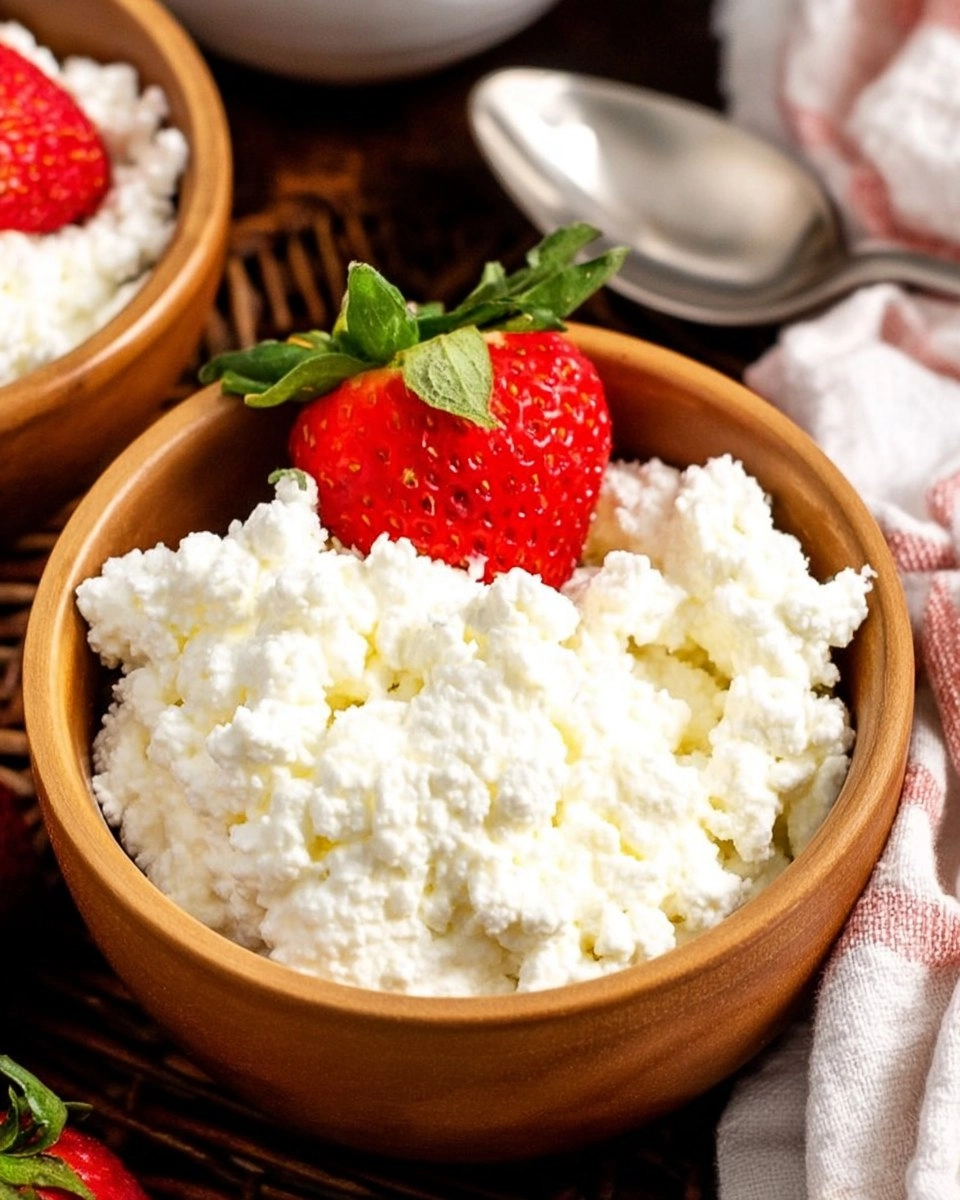
I vividly recall the first time I whipped up a batch of cottage cheese at home. It felt like uncovering a hidden treasure in the world of dairy products. The process transformed what could be a mundane store-bought option into a creamy, fresh delight that just can’t be replicated. With just a handful of wholesome ingredients and minimal fuss, this homemade version of cottage cheese (small curd) stands out not only for its flavor but also as a healthier alternative. Trust me; you’ll love sharing this recipe with family and friends!
Table of Contents
Why You’ll Love This Recipe
- Simple & Quick: Whip up a fresh batch in just about 10 minutes!
- Irresistible Flavor: Enjoy the delightful balance of creaminess with a slight tang that bursts in your mouth.
- Eye-Catching Appeal: These small curds look adorable atop dishes or as a topping.
- Flexible Serving: Perfect for breakfast, as a snack, or even a savory addition to salads.
- Diet-Friendly Options: Naturally gluten-free and easy to adapt for different diets.
Ingredients You’ll Need
- 1/2 gallon whole milk: Use high-quality, non-ultra-pasteurized milk for the best curd formation and flavor. Avoid ultra-pasteurized milk as it does not curdle properly.
- 1/4 cup white vinegar or lemon juice: Both acidic options work well to create curds, each offering a slightly different tang. If you want a milder taste, stick with lemon juice.
- 1/2 teaspoon salt: This enhances flavor and balances the creamy notes. Adjust to your taste for the perfect seasoning.
- 2-4 tablespoons heavy cream or whole milk (optional): For a creamier texture, heavy cream is a fantastic addition, but you can use whole milk for a lighter version.
How to Make Cottage Cheese (Small Curd)
- Heat the Milk: Pour 1/2 gallon of whole milk into a large pot. Over medium heat, gently stir it occasionally until the temperature reaches about 190°F, just before boiling. Once it reaches this point, remove it from the heat to avoid scorched milk.
- Add Acid: Slowly stir in 1/4 cup of white vinegar or lemon juice. After gently stirring for about 10 to 15 seconds, pause. You should see curds beginning to form and separate from the watery whey.
- Let it Rest: Cover the pot with a lid and allow it to sit undisturbed for 20 to 30 minutes. This resting time is crucial for curds to fully develop.
- Drain the Curds: Line a colander with cheesecloth or a clean kitchen towel. Carefully pour the curds and whey into the colander. Let it drain for 5 to 10 minutes; drain longer if you prefer drier cottage cheese.
- Rinse the Curds: Rinse the curds gently under cold water while breaking them apart with your fingers. This step cools the curds down and helps remove excess acidity from the vinegar or lemon juice.
- Season the Curds: Transfer the curds to a bowl and sprinkle with 1/2 teaspoon of salt. Stir gently to combine, ensuring the salt is well-distributed.
- Add Cream: If you desire a creamier texture, gradually stir in heavy cream or whole milk, one tablespoon at a time, until you achieve your preferred consistency.
- Chill: For the best flavor, chill the cottage cheese for at least an hour before serving, allowing the flavors to meld together beautifully.
Storing & Reheating
To store your homemade cottage cheese, refrigerate it in an airtight container. It can keep well for about 5-7 days in the fridge. If you want to store it longer, consider freezing it for up to three months, although the texture may change slightly upon thawing. To refresh the cottage cheese after thawing, just stir in a little cream or milk to revive its creaminess. Do not leave cottage cheese at room temperature for more than two hours for safety.
Chef’s Helpful Tips
- Always use non-ultra-pasteurized whole milk for the best curd formation.
- If curds don’t form, it may be due to the milk not reaching the right temperature or using ultra-pasteurized milk – double-check these before starting over!
- Keeping the pot covered while the curds form ensures a warmer environment, promoting better curd separation.
- Don’t skip the rinsing step; this helps cool the curds and reduces acidity.
- If you find your cottage cheese too runny, simply let it drain longer to achieve your desired consistency.
- Experiment with additional seasonings like herbs or garlic to enhance flavor.
Homemade cottage cheese (small curd) not only brings a rewarding sense of satisfaction, but it also opens up a world of culinary possibilities! From loading it into breakfast bowls to dressing up salads, it’s versatile and effortlessly elevates any dish. Plus, each bite carries the unique touch of your handiwork in the kitchen.
Recipe FAQs
Can I use low-fat or skim milk instead?
Is there a way to make this dairy-free?
How can I adjust the flavor of my cottage cheese?
Why did my cottage cheese separate too much?
More Dinner Recipes
👉 If you make my Cottage Cheese (Small Curd) recipe, please leave a comment and a star rating — it really helps others discover the recipe.
Follow me on
Pinterest
for more easy recipes.
Cottage Cheese (Small Curd)
- Prep Time: 10 minutes
- Cook Time: NO DATA
- Total Time: 0 hours
- Yield: 8 servings 1x
- Category: Dairy
- Method: Stovetop
- Cuisine: American
Description
This Cottage Cheese (Small Curd) features a delightful flavor and simple preparation. Made with fresh whole milk and just a few ingredients, it’s perfect for a quick and healthy meal option.
Ingredients
- 1/2 gallon whole milk not ultra-pasteurized
- 1/4 cup white vinegar or lemon juice
- 1/2 teaspoon salt or to taste
- 2-4 tablespoons heavy cream or whole milk optional, for creamier texture
Instructions
- Pour the milk into a large pot and heat over medium, stirring occasionally until it reaches about 190°F. Remove from heat.
- Slowly stir in the vinegar or lemon juice, gently mixing for 10–15 seconds, then stop for curds to form.
- Cover the pot and let it sit undisturbed for 20–30 minutes.
- Line a colander with cheesecloth or a kitchen towel and pour the curds and whey into it. Drain for 5–10 minutes for wetter cheese, or longer for drier curds.
- Rinse the curds under cold water while gently breaking them apart to cool the curds and remove excess acidity.
- Transfer the curds to a bowl and sprinkle with salt. Stir gently to combine.
- For creamier texture, stir in heavy cream or milk until reaching desired consistency.
- Chill for at least 1 hour before serving.
Notes
Ensure the milk is not ultra-pasteurized for better curd formation.
Adjust the salt to taste based on preference.
Nutrition
- Serving Size: 1/2 cup
- Calories: 120
- Sugar: 5g
- Sodium: 150mg
- Fat: 7g
- Saturated Fat: 4g
- Unsaturated Fat: 1g
- Trans Fat: 0g
- Carbohydrates: 6g
- Fiber: 0g
- Protein: 10g
- Cholesterol: 20mg